Communal area Cleaning in Clapham
If you live or work in Clapham, you already know how quickly shared spaces can lose their fresh, welcoming feel. Hallways pick up footfall, stairwells collect dust, entrance mats trap grit, and bin stores can become unpleasant far faster than anyone expects. That is why Communal area Cleaning in Clapham matters so much for apartment blocks, converted townhouses, estate-managed properties, mixed-use buildings, and business premises with shared access. A well-kept communal area does more than look tidy: it supports hygiene, helps residents feel proud of where they live, and creates a better first impression for visitors, tenants, and clients.
Local properties in Clapham come in many forms, from Victorian conversions and purpose-built flats to newer developments and busy commercial buildings along the main roads and side streets. Each property type has its own cleaning demands. A shared entrance in a period conversion may need careful attention to delicate surfaces, while a larger block with multiple floors may require regular sweeping, vacuuming, polishing, and rubbish-area cleaning. Choosing a local team for communal area cleaning Clapham customers can rely on means getting a service that understands the pace of the neighbourhood, the mix of residents, and the practical access issues that can affect cleaning schedules.
Whether you are a landlord, resident association, property manager, letting agent, or commercial occupier, the aim is usually the same: keep shared areas clean, safe, and presentable without creating disruption. That is where a professional cleaning plan makes a real difference. Consistency matters, especially in places with shared entrances, lifts, stairs, corridors, and external common areas. Contact us today to discuss a service that fits your building, your schedule, and your priorities.
Why communal area cleaning is important in Clapham
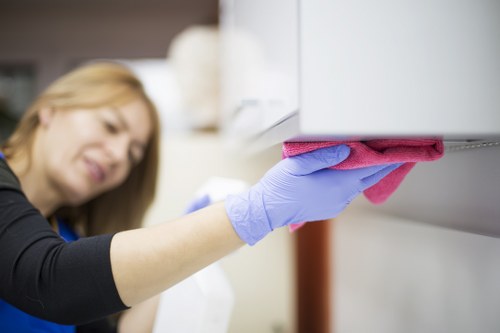
Shared spaces are used by different people throughout the day, so they collect dirt and marks quickly. In Clapham, this can be especially noticeable in busy residential streets close to transport links, local shops, cafés, schools, and parks. Mud, rainwater, leaves, and everyday dust all find their way into stairwells and entrances. Without regular upkeep, these areas can start to feel neglected even if individual flats or offices are well maintained.
Professional communal area cleaning services help prevent build-up before it becomes a problem. Routine cleaning reduces odours, improves appearance, and supports a healthier environment for everyone who uses the building. It also helps protect flooring, bannisters, glass, paintwork, and shared fixtures from long-term wear. Small regular cleaning tasks can make a big difference to the condition of the property over time.
For landlords and property managers, clean communal areas are also part of good tenant experience. Residents are more likely to respect shared spaces that are cared for properly, and visitors immediately notice when an entrance, corridor, or stairwell feels bright and organised. In a neighbourhood like Clapham, where property presentation matters to both homeowners and businesses, the standard of communal cleaning can directly affect how a building is perceived.
What our communal area cleaning service can include
Every property is different, so a proper cleaning plan should be based on the layout, usage, and condition of the building. Some properties need daily attention; others only need weekly or fortnightly visits. The key is tailoring the service to the space rather than forcing a one-size-fits-all approach. That is especially important in Clapham, where buildings range from compact mansion blocks to larger developments with several shared access points.
A standard communal cleaning visit may include a mix of surface cleaning, floor care, and hygiene-focused tasks. Depending on the property, this can cover entrances, landings, staircases, handrails, door handles, lifts, internal windows, and bin-area support. For commercial premises, shared reception areas, corridors, and staff-access spaces may also be included. The service should feel practical, thorough, and reliable.
Typical tasks may include:
- Sweeping, vacuuming, and mopping communal floors
- Dusting skirting boards, ledges, bannisters, and handrails
- Cleaning entrance doors, glass panels, and touchpoints
- Wiping down lift interiors and call buttons where applicable
- Removing cobwebs and surface dirt from corners and ceilings
- Spot-cleaning marks on walls, doors, and switches
- Cleaning internal windows, sills, and frames
- Keeping bin stores and service areas more hygienic
Why local knowledge matters for Clapham properties

Clapham has a distinctive mix of property styles and street layouts, which means cleaning needs can vary from building to building. Some properties have narrow staircases, shared side entrances, or limited on-street parking, while others have gated access, rear service areas, or multiple floors that require careful planning. A local cleaning team is better placed to work around these conditions efficiently.
When a building is near busy roads, transport routes, or high-footfall areas, the entrance can pick up more grime than expected. Shared halls in buildings close to green spaces can also suffer from extra dust, pollen, and debris during certain seasons. Local cleaners who regularly work in and around Clapham understand how these factors affect the pace and type of maintenance required.
That local understanding also helps with scheduling. In residential blocks, residents often want cleaning to happen at a time that avoids disruption, while commercial customers may need services outside core business hours. A local provider can plan visits more flexibly, especially where access arrangements, keypad entry, concierge coordination, or parking restrictions need to be considered. Good planning makes the service smoother for everyone.
Residential communal cleaning for flats and shared homes
Many customers looking for Communal area Cleaning in Clapham are responsible for blocks of flats, maisonettes, or converted houses where entrances, hallways, and staircases are shared by several households. In these settings, even light daily use can create a noticeable build-up of dirt, scuffs, and litter. A regular cleaning routine helps keep the property welcoming and reduces complaints between residents about shared standards.
Residential communal cleaning often focuses on the areas people see most often: the main entrance, stair runs, landings, lift areas, and internal corridors. However, a good service should also pay attention to less visible spaces that still affect overall hygiene, such as bin areas, utility corners, and secondary entrances. The aim is not just surface appearance, but genuine upkeep that supports the whole building.
For residents’ associations and landlords, having a dependable cleaning schedule can also make maintenance easier to manage. If the building has several owners or tenants, shared cleaning expectations are clearer when a professional service is in place. That can help reduce friction and keep everyone on the same page about the standard of the communal environment.
Common residential areas cleaned
- Main entrance lobbies
- Shared hallways and corridors
- Staircases and landings
- Lift interiors and touchpoints
- Shared bin storage areas
- External doorstep and access points where agreed
Commercial communal cleaning for Clapham businesses
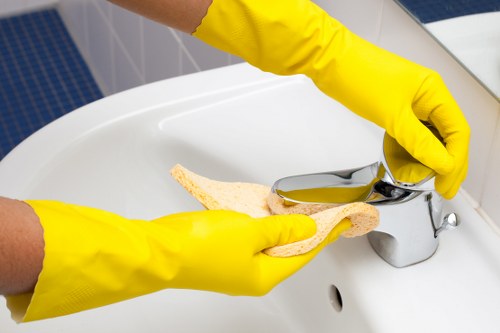
Clapham is home to a wide range of commercial premises, from office spaces and professional suites to mixed-use buildings and customer-facing sites. In these environments, shared areas often form part of the first impression a business gives to clients, staff, and visitors. A spotless reception approach, neat corridor, or well-maintained shared washroom access area can support a more professional atmosphere from the moment someone walks in.
Commercial communal area cleaning may be needed in buildings with shared entrances, multi-tenant offices, managed workspaces, or retail premises with upper-floor access. These spaces often experience heavier use during the day, so cleaning needs to be practical and scheduled with care. Dust, fingerprints, floor marks, and bin-related odours can become noticeable quickly where lots of people move through the building.
Businesses often need flexibility. That might mean early-morning cleaning, evening visits, or regular maintenance around trading hours. A local team can work around access controls, reception procedures, and security needs without disrupting operations. This is one of the main reasons people choose a nearby provider for communal area cleaning Clapham premises depend on: it is easier to keep things running smoothly when the team understands local building patterns and business routines.
What makes a good communal area cleaning schedule?
The right schedule depends on how many people use the building, what type of traffic it receives, and how quickly dirt builds up. Some shared spaces need daily cleaning, especially in large apartment blocks or busy commercial buildings. Others may only need weekly visits, with additional periodic deep cleaning to maintain standards. A good provider should help you choose a frequency that makes sense for your property and budget.
Several factors influence the schedule. For example, buildings with pets, children, or heavy visitor traffic may need more frequent attention. Properties near main roads, train stations, or busy shopping areas may also pick up more outdoor debris. Seasonal changes matter too, with autumn leaves, winter mud, and wet weather often increasing cleaning demands in Clapham’s shared entrances and corridors.
A balanced schedule usually includes regular tasks that keep the property presentable every week, plus occasional deep cleaning or targeted work where needed. That may include polishing, wall cleaning, internal window washing, or a more thorough bin-area refresh. Regular cleaning is the most effective way to prevent bigger problems later.
How cleaning frequency is usually decided
- Assess the size and layout of the property
- Consider how many residents, staff, or visitors use it
- Review the current condition of the shared spaces
- Identify any hygiene concerns or high-traffic points
- Agree on a schedule that fits usage patterns
How the service works
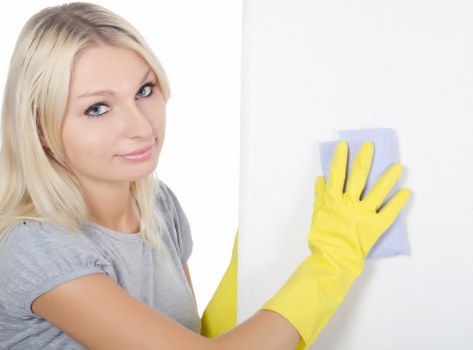
Most customers want a straightforward process. They want to know what will be cleaned, how often the cleaner will attend, and whether the service can fit around access arrangements. A professional approach should keep things simple and clear from the start. Once the property has been assessed, a cleaning plan can be put in place to suit the building and its occupants.
In many cases, the process begins with understanding the layout of the site, the type of surfaces involved, and any building rules that apply. For example, some blocks have shared entry systems, limited storage for cleaning equipment, or specific times when contractors are allowed on site. Commercial buildings may have reception protocols or security requirements. Residential properties may need coordination with residents or managing agents.
After that, the cleaning routine is carried out according to the agreed schedule. Good communication is important, especially if there are changes to access, ongoing maintenance, or seasonal issues such as heavier leaf fall near entranceways. When the service is organised well, residents and occupiers often barely notice the work happening — they just notice that the building stays in better condition.
Typical steps in a cleaning visit
- Check access and confirm the areas scheduled for cleaning
- Remove loose dirt, litter, and debris
- Vacuum, sweep, or mop the shared floor areas
- Wipe down high-touch surfaces and visible marks
- Clean key communal fixtures and fittings
- Carry out a final check for presentation and hygiene
Preparation checklist for residents, landlords, and managers
A little preparation can help the cleaning visit go more smoothly and ensure the team can work efficiently. This is especially useful in Clapham, where parking, access, and building layouts can vary widely. Preparing in advance also helps avoid delays and reduces the chance of missed areas.
If you manage a block or are responsible for a shared property, it can help to make sure access arrangements are clear before the first visit. Residents should also be informed about any temporary restrictions, such as clearing items from hallways or keeping entrance areas free from obstructions. Good preparation protects the quality of the clean and makes the whole process more effective.
Useful preparation steps may include:
- Ensuring entry codes, keys, or access instructions are ready
- Moving personal items away from shared floor and wall areas
- Keeping pushchairs, bikes, and deliveries clear of walkways
- Reporting any broken lights, damaged fittings, or water leaks
- Noting any areas that need extra attention, such as spills or stains
- Confirming where cleaners can safely park or unload equipment
If the property has particular rules, it helps to share those early. A reliable cleaning service will want to respect building procedures and minimise disruption to residents or staff. Clear instructions lead to better results.
Pricing factors to consider
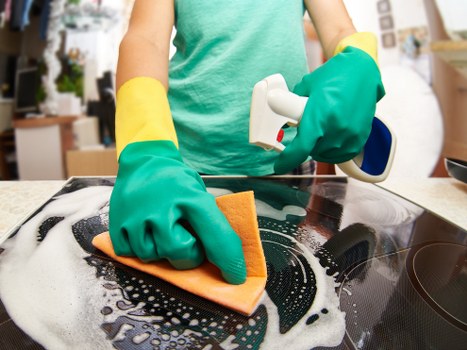
While exact prices depend on the property and service level, it is useful to understand what usually affects the cost of communal area cleaning. This helps customers compare quotes fairly and decide what level of service is right for their building. The best starting point is always a request for a tailored quote based on the actual site rather than a generic estimate.
Common pricing factors include the size of the building, number of floors, how often cleaning is required, and the condition of the communal spaces. Additional considerations might include whether the property has lifts, glass panels, bin stores, or external areas that need regular care. Access complexity can also affect the time needed for each visit, especially in tightly arranged Clapham streets where parking or equipment movement may be more challenging.
Some customers want a basic cleaning routine, while others need a more detailed package with added tasks such as internal window cleaning, periodic deep cleans, or enhanced attention to touchpoints. A professional provider should explain what is included, what may cost extra, and how the schedule can be adjusted if the building’s needs change.
Factors often considered in a quote
- Property size and number of communal areas
- Frequency of visits
- Current condition and level of build-up
- Type of surfaces and fixtures involved
- Access, parking, and security arrangements
- Any special cleaning requirements or add-ons
Why choose a local company for communal area cleaning in Clapham?
There are practical advantages to choosing a local company rather than a distant provider. First, response times are often better. If a building needs a schedule change, a one-off extra visit, or help with an area that has become messy unexpectedly, a nearby team is easier to coordinate with. Second, local cleaners are more familiar with the property types and access conditions common in Clapham.
Local service also tends to be more adaptable. If your building has unusual entry arrangements, limited storage, a shared basement, or traffic restrictions outside certain hours, a team that works regularly in the area will usually be better prepared. This can help avoid inconvenience for residents, staff, and visitors. It also supports a more consistent standard, because the cleaners are working within a locality they know well.
There is also value in working with people who understand local expectations. In a neighbourhood like Clapham, where people care about the appearance of their homes and shared spaces, maintaining a tidy and hygienic building is part of everyday comfort. Choosing a nearby team can make the service feel more personal, practical, and responsive.
Areas and property types covered
Communal area cleaning can be arranged across Clapham and nearby parts of South West London, including locations with a mix of residential and commercial buildings. Because access and property layouts vary so much locally, service planning is often best done on a building-by-building basis. Whether your property is close to transport connections, residential streets, or busier mixed-use roads, the cleaning approach can be shaped to fit.
Common property types include:
- Purpose-built apartment blocks
- Converted Victorian and Edwardian houses
- Modern residential developments
- Managed estates and private blocks
- Office buildings with shared entrances
- Mixed-use buildings with residential and commercial access
Nearby localities and surrounding areas may also benefit from the same kind of service, especially where shared access spaces, stairwells, and hallways need regular attention. If your building is just outside the immediate Clapham area, it is still worth asking for a tailored proposal based on your exact location and requirements.
Frequently asked questions
How often should communal areas be cleaned?
It depends on how many people use the building and how quickly dirt builds up. Busy blocks may need daily cleaning, while smaller properties may only need weekly or fortnightly visits. A tailored schedule is usually the best option.
Can you clean both residential and commercial communal spaces?
Yes. Shared areas in flats, offices, and mixed-use buildings can all be cleaned as part of a regular service. The tasks and timing are adjusted to suit the property.
Do you clean stairwells and lifts?
Yes, where included in the agreed service. Staircases, landings, lift interiors, and touchpoints are common parts of communal cleaning plans.
What if our building has difficult access or parking restrictions?
That is common in Clapham, especially on tighter residential streets. A local team can plan around access instructions, parking limits, and building entry requirements as part of the service setup.
Can the cleaning plan be changed later?
In many cases, yes. If the building becomes busier, suffers more wear, or needs additional attention, the cleaning schedule can usually be reviewed and adjusted.
What should we do before the first visit?
Make sure access is arranged, any building rules are shared, and residents or occupiers know if they need to move personal items. A short preparation checklist often helps the first clean run smoothly.
Choosing the right service for your building
When comparing communal cleaning options, it helps to think beyond a simple checklist. Look for a service that understands shared property care, communicates clearly, and can adapt to your building’s routine. If you are managing a block in Clapham, the best fit is usually a provider that can combine reliable scheduling with attention to detail and practical local experience.
It is also worth considering how the service will be delivered over time. Shared spaces need ongoing care, not a one-off tidy-up. Floors, entrances, handrails, and communal touchpoints all benefit from regular maintenance. A well-planned cleaning arrangement can reduce complaints, support property value, and make life more pleasant for residents and users of the building.
Whether your priority is hygiene, presentation, or day-to-day convenience, professional communal cleaning can help your property stay in better shape. If you need dependable communal area cleaning in Clapham, contact us today to request a free quote and discuss the right service for your building.
Book your service now
If you are ready to improve the condition of your shared spaces, now is a good time to arrange a tailored cleaning plan. Communal areas are used every day, so they benefit from a service that is regular, efficient, and suited to the property. From apartment block entrances to commercial corridors, the right approach can make a visible difference.
Book your service now or request a free quote to find out how a local cleaning team can support your Clapham property. A cleaner, more welcoming communal environment is often easier to achieve than people think — especially when the service is planned around your building’s real needs.