Abbeville Road end of tenancy cleaning checklist Clapham
Posted on 08/08/2026
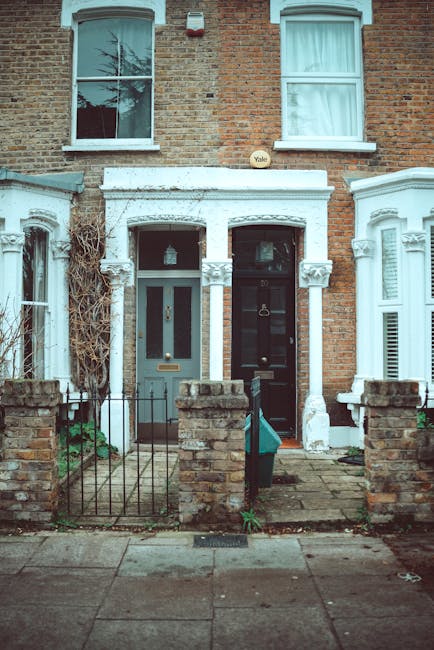
If you are moving out near Abbeville Road, the last thing you want is a messy handover or a frustrating deposit dispute. The good news? A clear Abbeville Road end of tenancy cleaning checklist Clapham makes the whole process far more manageable. It turns a vague, stressful "deep clean everything" into a room-by-room plan you can actually follow, whether you are leaving a studio, a family flat, or a larger rental home.
In practice, end of tenancy cleaning is about more than making things look tidy. It is about returning the property in the condition expected under your tenancy agreement, allowing for fair wear and tear. That means the skirting boards, oven, taps, behind appliances, bathroom limescale, and all the little forgotten places that suddenly matter a lot on inspection day. Let's face it, that final clean can feel a bit relentless. This guide walks you through what to do, why it matters, and where tenants most often go wrong.
For a broader look at local property and moving life in the area, you might also find our articles on why Clapham stands out as a neighbourhood and whether Clapham is right for you helpful.
Why Abbeville Road end of tenancy cleaning checklist Clapham Matters
A proper move-out clean is not just about appearances. It sets the tone for the handover, helps reduce avoidable disputes, and gives the landlord or letting agent one less reason to complain. In a busy rental market like Clapham, that matters. People move quickly, inspections are often tight, and expectations can be high.
Abbeville Road properties often see a mix of long-term tenants, sharers, and professionals who need to leave on a deadline. The final week can become a blur of packing tape, bin bags, utility calls, and sorting keys. Cleaning is the piece that gets left too late. Then you are suddenly crouched in the kitchen at 9pm scrubbing an extractor fan you barely noticed for a year. Not ideal.
A checklist helps in a simple but effective way: it keeps the work organised, makes the task less emotional, and stops small jobs from being forgotten. One missed oven tray or dusty wardrobe shelf can look trivial, but in a checkout inspection those small things often pile up. You do not need perfection in the everyday sense. You do need a clean, consistent standard throughout the property.
If your move-out clean feels bigger than you can handle, it is worth looking at a professional end of tenancy cleaning service in Clapham or, for broader preparation work, a deep cleaning service. Some homes really do need more than a quick once-over.
How Abbeville Road end of tenancy cleaning checklist Clapham Works
The easiest way to understand end of tenancy cleaning is to think of it as a reset. You are trying to return the property to a condition that is clean, presentable, and ready for the next occupier. That means cleaning from top to bottom, room by room, and finishing with detail work rather than starting with it.
A good checklist usually begins with the areas that take the longest: kitchen appliances, bathroom limescale, carpets, upholstery marks, and hard-to-reach dust. Then it moves to surfaces, fixtures, and final touch-ups. If you leave the hardest jobs until the end, you will probably be rushing. And rushed cleaning almost always shows.
The process also depends on your property type. A compact flat near Abbeville Road might need a strong kitchen and bathroom focus, while a larger maisonette may need more attention to stairs, hallway marks, and multiple bedrooms. In other words, the checklist stays the same in principle, but the amount of effort changes.
Many tenants also combine the move-out clean with services such as carpet cleaning in Clapham or upholstery cleaning in Clapham if the flooring or furniture has picked up everyday wear. That is especially useful if the property has light-coloured carpets, a common headache in rental homes because every mark seems to shout.
Key Benefits and Practical Advantages
A structured checklist saves time, but the value goes beyond efficiency. Here are the main practical benefits you will notice almost immediately.
- Less stress during the final week: You know what needs doing and in what order.
- Better chance of a smooth checkout: A clean, consistent property makes the inspection easier for everyone.
- Fewer overlooked details: People often forget inside cupboards, light switches, bin areas, and behind appliances.
- More efficient use of your effort: You focus on the rooms and items most likely to be checked.
- Cleaner handover for the next resident: That is simply the decent thing to do, to be fair.
There is also a financial angle. A good clean does not guarantee a full deposit return, because deductions can still arise from damage, contract issues, or genuine wear. But poor cleaning is a very avoidable reason for conflict. Removing that weak point is smart. Simple as that.
For tenants who want to prepare properly before moving day, our one-off cleaning option can be useful when the property needs extra attention beyond normal weekly upkeep. You may also want to review our pricing and quotes information if you are comparing options.
Who This Is For and When It Makes Sense
This checklist is for anyone leaving a rented home around Abbeville Road, but it is especially useful in a few common situations:
- Tenants with a tight move-out deadline who need a practical plan.
- Flat sharers trying to divide tasks fairly without confusion.
- Families moving between homes where the clean needs to fit around packing and childcare.
- Landlords and letting agents who want a clear idea of what a final clean should cover.
- Tenants with carpets, upholstery, or curtains that need extra care before inspection.
It makes sense to use a detailed checklist when the property has not been deep cleaned recently, when pets have lived there, when cooking has been heavy, or when there are marks from normal daily use that need proper attention. A little grease on a hob is manageable. Baked-on residue after a year of Friday-night dinners? That is another story.
If you are still deciding how to approach the move, our local pages on Clapham property investment and buying homes in Clapham may also be useful background reading. They are not cleaning guides, obviously, but they do help explain how active the local housing market can be.
Step-by-Step Guidance
Here is a practical way to tackle the clean without burning out halfway through. The trick is to work in a sequence that reduces rework. Dust first, surfaces second, floors last. Always.
1. Declutter before you clean
Remove everything that belongs to you: cupboard contents, toiletries, food, bins, hangers, personal items, and any leftover packaging. Empty spaces are easier to clean, and you will spot grime much faster once the clutter is gone.
2. Start high and work down
Dust cobwebs, tops of doors, light fittings, shelves, and picture rails before wiping surfaces below them. This prevents dust from falling onto already cleaned areas. It sounds obvious, but people forget it all the time.
3. Tackle the kitchen in zones
The kitchen is usually the hardest room, so break it down:
- Clean the oven, grill, hob, and extractor fan.
- Degrease splashbacks, cupboard fronts, and handles.
- Wipe inside and outside of cupboards and drawers.
- Clean the fridge, freezer, and washing machine seals if they are part of the tenancy.
- Empty and sanitise the bin area.
Check the seals and corners around the sink too. A clean sink can still look tired if the taps have water marks and the sealant has grime sitting along the edges.
4. Deep clean the bathroom
Focus on limescale, soap residue, and mould-prone areas around grout, tiles, taps, shower screens, and the toilet base. A bathroom can look acceptable from the doorway and still fail inspection the moment someone leans in. That happens a lot.
Do not forget mirrors, towel rails, extractor fans, and the cabinet under the sink. If a bathroom has been used daily, these spaces usually need a second pass.
5. Clean bedrooms and living areas carefully
Wipe skirting boards, radiators, switches, window ledges, wardrobes, and inside drawers. Remove dust from corners and clean the tracks or sills if they are accessible. In living rooms, check behind radiators and under furniture where dust tends to gather quietly and persistently.
6. Pay attention to floors and soft furnishings
Vacuum thoroughly, including edges and under accessible furniture. If carpets have stains or a heavy traffic path, arrange carpet care rather than hoping a standard vacuum will somehow fix it. It will not. For nearby local advice, our Clapham Common carpet cleaning guide for flat owners may help if flooring is a concern.
For curtains, cushions, and sofas, check the fabric type before cleaning. Delicate materials such as velvet need a gentler approach, and our article on washing velvet curtains at home explains why restraint matters there.
7. Finish with final touch-ups
Once the main cleaning is done, walk through each room as if you are the checkout inspector. Look for streaks on glass, fingerprints on switches, dust on shelves, missed marks near the door frames, and anything that looks out of place in natural daylight. Morning light is unforgiving, which is inconvenient but useful.
Expert Tips for Better Results
A few practical habits can make the clean much more effective, and honestly, much less exhausting.
- Use the right product for the job. All-purpose spray is handy, but it will not remove heavy limescale or baked-on grease on its own.
- Let cleaning products dwell briefly. Give them a minute or two to work before scrubbing, especially in the kitchen and bathroom.
- Change cloths often. A dirty cloth spreads grime around and makes glass look worse, not better.
- Work room by room. Mixing rooms usually creates half-finished jobs and a lot of wandering about.
- Leave floors until last. Vacuuming too early just means you will walk dust back in again. Annoying, but true.
One useful local tip: if you live on a busier stretch near cafes, traffic, or shared entrances, windowsills and vents often collect more dust than tenants expect. It is a small thing, but these places give away whether a property has been properly finished.
If you need broader support beyond move-out cleaning, services like spring cleaning in Clapham or domestic cleaning in Clapham can be useful depending on the state of the home and how much help you need.
Common Mistakes to Avoid
Most move-out cleaning problems are not caused by laziness. They are caused by timing, fatigue, or simply not knowing what gets checked. These are the mistakes we see most often.
- Leaving the clean until moving day: By then you are tired, the furniture is gone, and your cleaning energy has evaporated.
- Ignoring hidden areas: Behind appliances, under beds, inside cabinets, and above doors are the usual suspects.
- Cleaning the surface but not the details: A shiny worktop still looks wrong if the sink rim and plug hole are dirty.
- Using the wrong tools on delicate surfaces: Harsh pads can damage finishes, especially on paintwork and glass.
- Forgetting carpets or upholstery: Soft furnishings hold odours and dust in a way hard surfaces do not.
Another common issue is assuming that "end of tenancy clean" means a quick tidy-up. It usually does not. If the property has been lived in properly, there will be grease, dust, limescale, and marks that need real effort. No drama. Just reality.
Tools, Resources and Recommendations
You do not need a van full of specialist kit, but the right basics make the job much easier. A sensible move-out cleaning kit might include:
- microfibre cloths
- non-scratch sponges
- rubber gloves
- an effective degreaser
- limescale remover
- glass cleaner
- vacuum cleaner with attachments
- bucket, mop, and floor cleaner
- old toothbrush or detailing brush for edges and grout
If your tenancy includes carpets, rugs, or heavily used stairs, you may want to pair your own cleaning with a specialist service. Our services overview is a useful place to compare different types of cleaning support, and our house cleaning in Clapham page can also help if you need broader ongoing help before or after the move.
For anyone moving out of a flat with fabric furniture, the upholstery cleaning service is worth considering. Cushions, armrests, and fabric headboards can quietly hold onto dust and odour, and you only notice it properly once the room is empty. Bit unfair, really, but that is how these things go.
Law, Compliance, Standards, or Best Practice
End of tenancy cleaning is usually shaped by your tenancy agreement, the property condition at move-in, and normal expectations around fair wear and tear. Tenants are typically expected to leave the property clean and in a comparable condition to when they moved in, minus ordinary use. If the agreement asks for professional cleaning, that should be treated carefully and checked against what was agreed in writing.
As a best practice, keep evidence of your clean. Photos after completion can be useful, especially if there is any disagreement later. Time-stamped pictures of key rooms, appliances, and flooring are sensible. They are not a guarantee of anything, but they help.
It is also wise to check the inventory or check-in report if you have one. That document often matters more than people expect, because it shows what the property looked like at the start of the tenancy. The fair approach is to return it in broadly similar condition, allowing for everyday living. Kitchen grease, soap residue, and dust are not usually considered acceptable simply because you were busy. That part is on you.
Where safety is involved, especially with strong cleaning products or ladder work for high shelves, follow basic precautions. Good ventilation, sensible storage, and careful use of chemicals matter. If you want reassurance about how a professional provider handles these issues, our insurance and safety information and health and safety policy explain the approach in plain terms.
Options, Methods, or Comparison Table
If you are deciding how to handle the final clean, the choice usually comes down to doing it yourself, splitting the work with flatmates, or booking a specialist service. Each approach has its place.
| Option | Best for | Pros | Watch-outs |
|---|---|---|---|
| DIY cleaning | Smaller homes, lighter wear, limited budget | Cheaper, flexible timing, full control | Takes time, easy to miss details, tiring near move-out |
| Shared cleaning with housemates | Shared rentals or larger flats | Workload is divided, faster overall | Quality can vary if everyone has different standards |
| Professional end of tenancy clean | Busy tenants, bigger properties, high standards | Detailed, efficient, less stress | Costs more than DIY, needs booking ahead |
| Hybrid approach | Most practical in real life | Save money while covering the hardest jobs professionally | Needs planning so nothing gets duplicated or missed |
In many cases, the hybrid option is the sweet spot. You handle decluttering, general wiping, and light cleaning, then bring in help for carpets, upholstery, or the heavy kitchen work. That approach often feels more realistic, and frankly, a bit kinder to your moving-week nerves.

Case Study or Real-World Example
Here is a realistic example from the kind of move-out situation that comes up often around Abbeville Road.
A two-bedroom flat was being vacated after several years of normal use. The tenants had already packed and were leaving on a Friday morning, which meant the clean had to be squeezed into the final two evenings. The kitchen was the main issue: grease around the hob, a slightly cloudy fridge seal, and marks on cupboard handles. The bathroom had limescale on taps and a tired shower screen. The living room carpets looked okay at first glance, but there was a worn footpath from the sofa to the hallway.
Rather than trying to clean everything randomly, the tenants worked from a checklist. One person handled the kitchen, one tackled the bathroom, and the last person focused on bedrooms, dusting, and vacuuming. The carpets were booked separately because they needed more than a vacuum. By the end, the flat looked calmer and more neutral, which is exactly what you want at checkout. Not sparkling in a showroom sense. Just properly ready.
The useful lesson? Planning matters more than heroics. A steady, structured clean usually beats a last-minute panic blitz. Every time.
Practical Checklist
Use this as your final walk-through checklist for an Abbeville Road move-out clean.
- Remove all personal items and rubbish
- Dust ceilings, corners, and light fittings
- Wipe skirting boards, doors, and handles
- Clean switches, sockets, and thermostats gently
- Clean inside and outside of cupboards and drawers
- Degrease the oven, hob, and extractor fan
- Clean the fridge, freezer, and seals
- Scrub sinks, taps, and splashbacks
- Remove limescale from bathroom fixtures
- Clean the toilet, bath, shower, and screen
- Vacuum carpets, rugs, and edges
- Spot-treat visible stains if appropriate
- Wipe mirrors, glass, and internal windows
- Check behind and under appliances where accessible
- Empty bins and clean the bin area
- Finish with a final daylight inspection
Quick takeaway: if a surface can collect dust, grease, fingerprints, or limescale, it should be checked. That is the simplest rule worth remembering.
Conclusion
A well-planned Abbeville Road end of tenancy cleaning checklist Clapham takes the chaos out of moving day. It keeps you focused, helps you prioritise the rooms that matter most, and gives you a far better chance of handing the property back in good order. More than that, it saves you from the awful feeling of remembering a missed job after the keys have gone in.
Whether you do the cleaning yourself or bring in support for the heavier jobs, the key is consistency. Work methodically, check the hidden spots, and do not leave the whole thing to the final hour. If you can walk out on move day knowing the flat looks properly cared for, that is a good feeling. A quiet relief, really.
If you would like a hand with the final clean, or you are comparing options for carpets, upholstery, or a more complete property refresh, explore our end of tenancy cleaning service and related local cleaning pages. And if you are ready to take the next step:
Get a free quote today and see how much you can save.